3DPS RFF – A filament feeding system designed for real-world printing
3 min read
3DPS RFF – A filament feeding system designed for real-world printing
Over the past months we have been heavily working on a project that solves a problem many 3D printing users know well: filament drag, unstable feeding and long-distance filament transport.
3DPS RFF – A filament feeding system designed for real-world printing
Over the past months we have been heavily working on a project that solves a problem many 3D printing users know well: filament drag, unstable feeding and long-distance filament transport.
Modern 3D printers are getting faster, larger and more advanced every year, but filament handling still often remains a compromise. Large spools, external dryers, long PTFE tubes or multi-meter filament paths can place significant stress on the extruder system. This can lead to inconsistent extrusion, increased wear, feeding resistance or even failed prints.
What is the 3DPS RFF?
The 3DPS RFF (Remote Filament Feeder) is a semi-passive intelligent filament feeding system that creates and maintains a controlled filament buffer directly before the printer.
Instead of forcing the printer’s extruder to pull filament through long and difficult paths, the RFF actively assists the feeding process and continuously adapts its speed to the actual filament consumption of the printer.
The result:
Reduced filament drag
Less stress on the extruder
More stable extrusion
Improved reliability during long prints
Cleaner filament handling for dryers and large spools
Designed for real-world setups
The RFF was designed with practical use in mind. Whether the filament comes from a drybox, a wall-mounted spool system or from several meters away, the goal is always the same: maintain a stable filament flow directly at the printer.
The system creates an approximately 50mm adaptive filament buffer near the extruder, allowing the printer to retract and feed normally while the RFF dynamically compensates in the background.
Main features currently in development:
Adaptive feed control based on real filament usage
Long-distance filament transport support
Support for large spool systems and dryers
Low stress operation for direct-drive and Bowden systems
Broken filament detection
External filament sensor support
TMC2208 silent motor driver
USB Type-C interface
External extruder motor connector
Status LEDs and future expansion options
Future plans
The project is still actively under development, and multiple versions are planned:
RFF Standard – standalone intelligent feeder
RFF Pro – central controller for multiple feeder units
RFF Light – lightweight extension module for larger systems
Our long-term vision is to create a modular filament management ecosystem that remains fully printer and firmware independent.
Development status
The electronics, firmware and mechanical systems are already functioning in prototype form, and testing is continuously ongoing on multiple printer configurations.
We are currently focusing on:
Firmware refinement
Mechanical optimization
Long-term reliability testing
User-friendly mounting solutions
Preparation for wider public testing
More updates, videos and technical details will be shared soon.
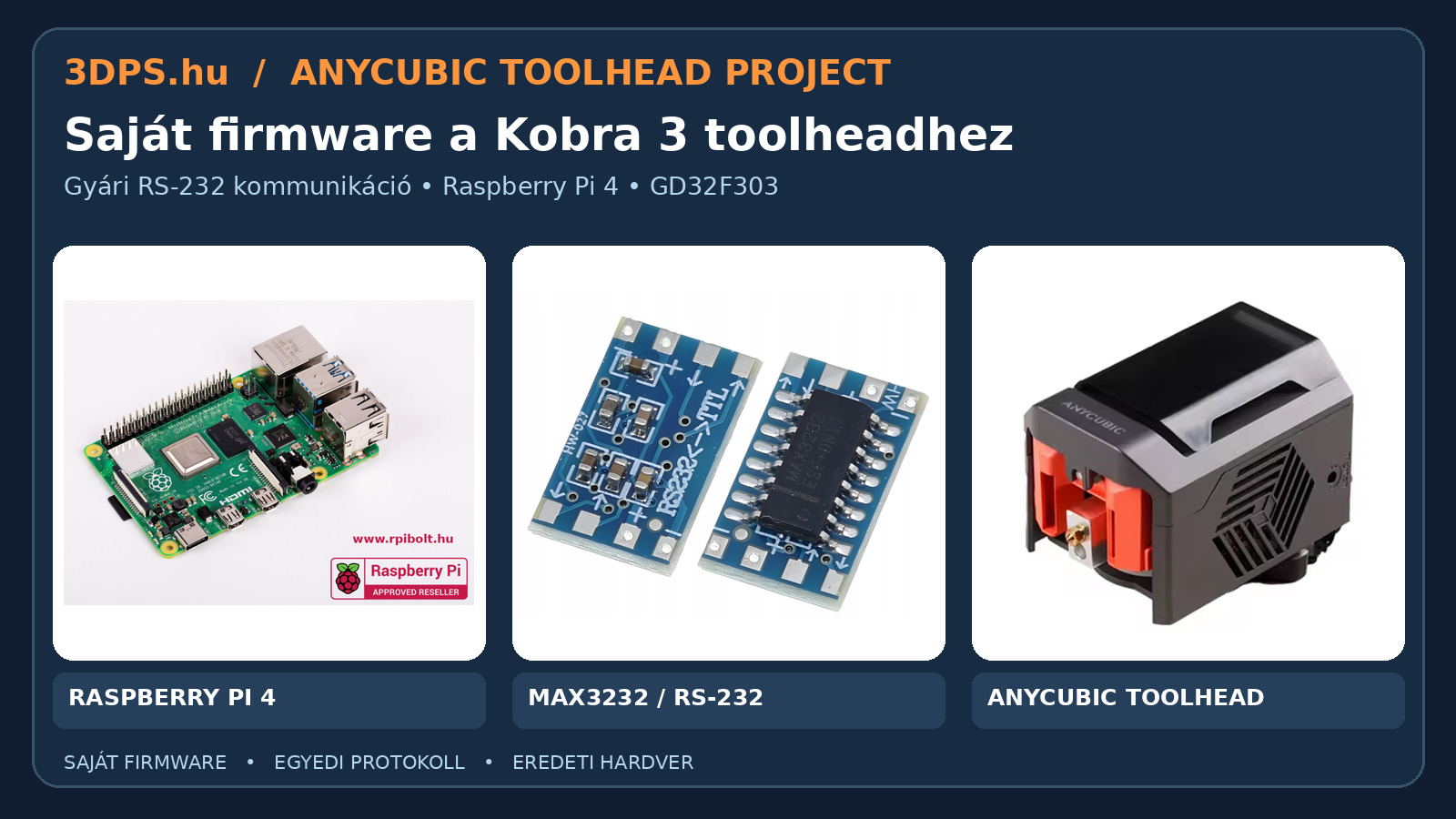
We are developing custom firmware and a communication protocol for the original GD32F303 toolhead. Our first milestone is a safe, bidirectional UART link with a Raspberry Pi 4.
The September 17 US jury verdict concerns four patents. We examine what 3D-printing technologies the claims actually cover and what the verdict may mean for Bambu Lab and the desktop FDM market.
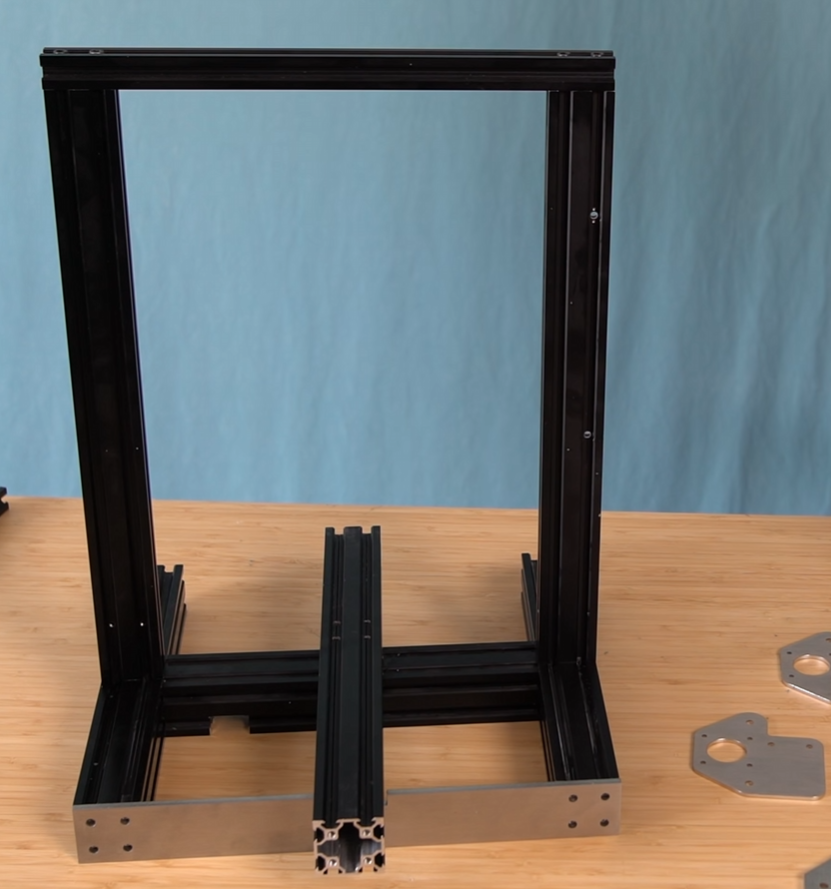
In Part 2 of the project, the Ender 3 keeps the same external dimensions and build volume. Its hollow aluminum frame extrusions are filled with about 4.5 kg (10 lb) of lead and reinforced to improve stability for extreme-speed printing.
Tom’s Hardware updated its 2026 3D printer recommendations on September 8. The guide offers a useful snapshot of how fragmented the desktop market has become across budget, multicolor, resin and professional categories.
Formnext Asia Shenzhen 2026 added a dedicated Maker Day and expanded print-farm programming, connecting the maker community with small-scale production and commercial workflows.
ASTM International has relaunched its former Advanced Manufacturing Division as the Critical and Emerging Technologies (CET) Division. Additive manufacturing remains a flagship area, now joined by AI, robotics, drones and semiconductors.
Suzhou-based Nuosibeirui, owner of the KEXCELLED brand, has closed a new funding round while expanding industrial filaments, photopolymer resins and custom material development.
A joint University of Twente and Radboudumc project is developing a patient-specific implant intended to offer a less invasive treatment for ankle cartilage damage.
Researchers at Washington State University have developed a customizable electronic skin combining 3D scanning, SLA printing, pressure and temperature sensing, and neural-network calibration.
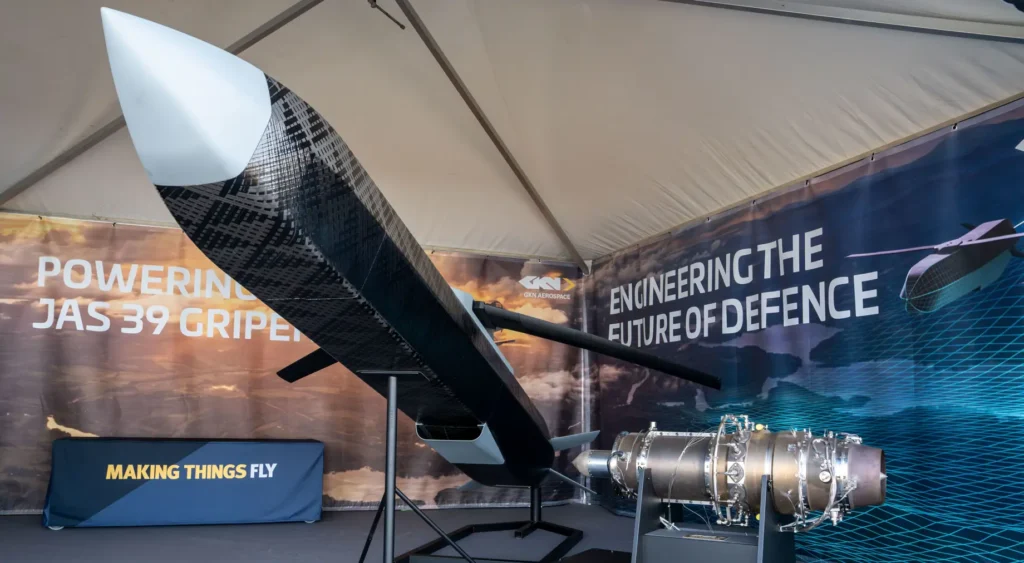
GKN Aerospace has demonstrated a UAV platform using an additively manufactured engine. The project shows how 3D printing in aerospace is moving beyond brackets and ducts toward core propulsion hardware.