Another Milestone Reached in the Anycubic Kobra 3 Toolhead Project #2
2 min read
Another Milestone Reached in the Anycubic Kobra 3 Toolhead Project
The Anycubic Kobra 3 Toolhead reverse engineering project has reached another important milestone. Recent work has shifted beyond simply identifying components toward building a comprehensive and structured hardware documentation system that will serve as the foundation for all future development.
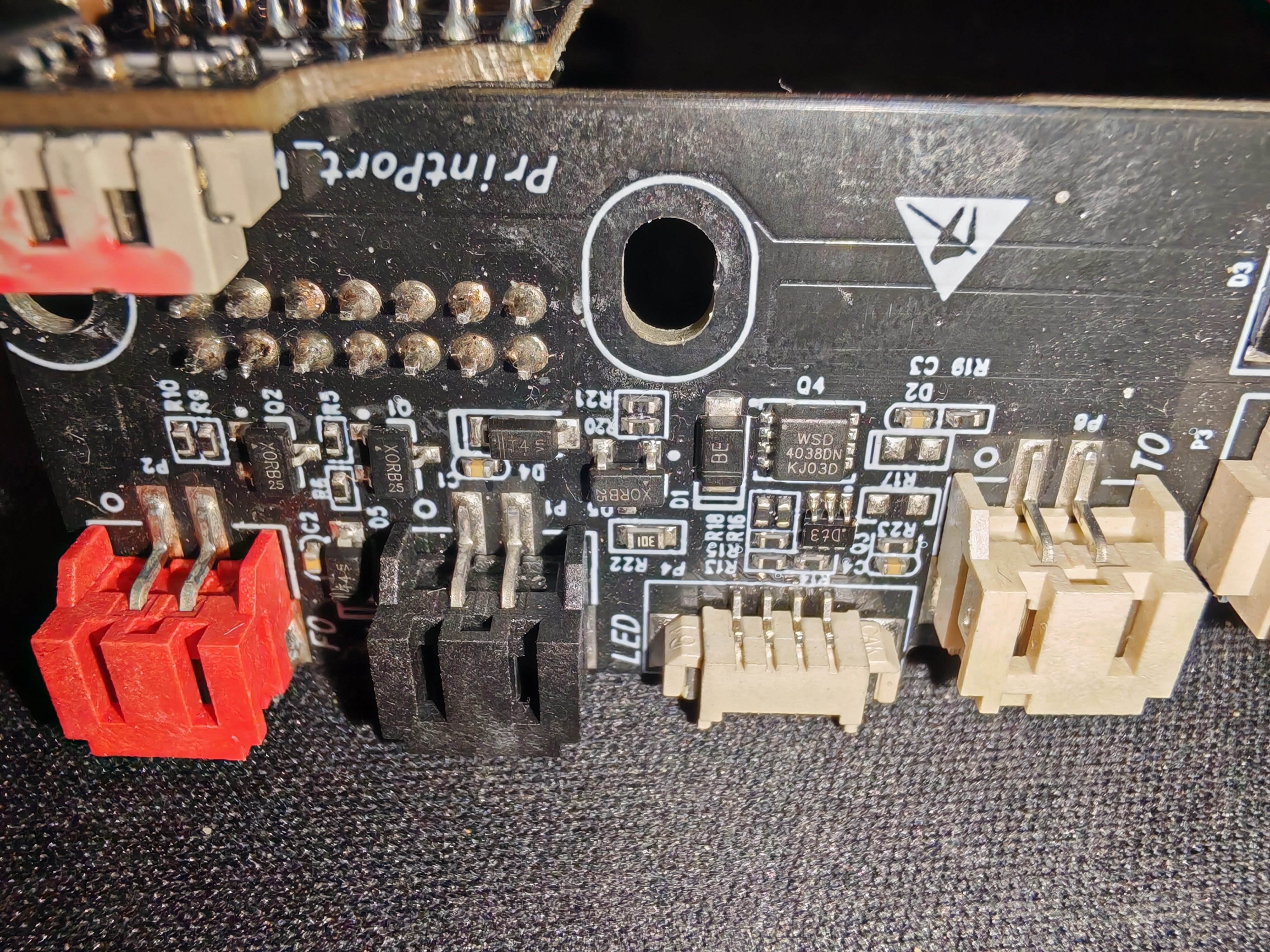
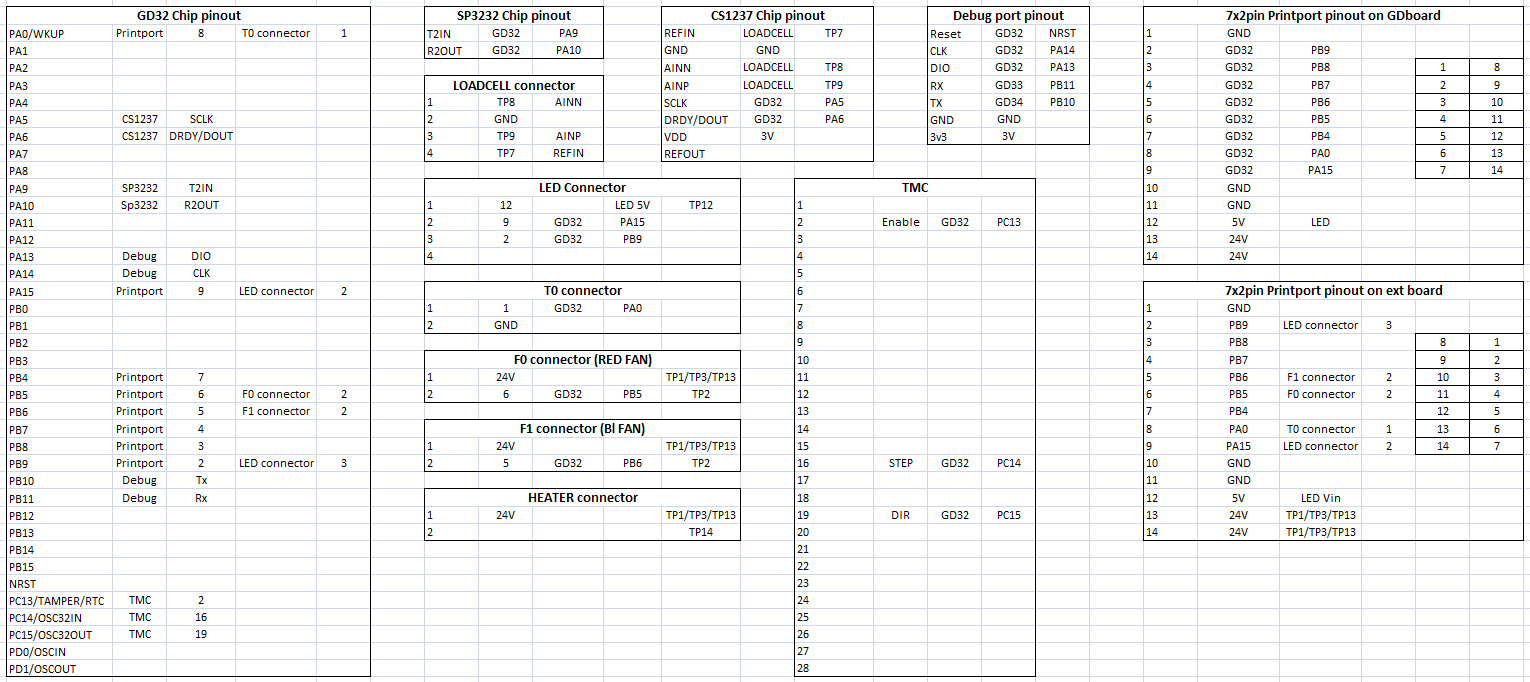
The project continues to focus on the GD32F303CBT6 microcontroller, around which the first complete hardware relationship database has now been established. Rather than being just a traditional pinout, the documentation has evolved into a continuously expanding hardware map linking MCU pins with peripherals, connectors, and test points across the entire toolhead PCB.
Progress so far
The TTL-side connections of the SP3232 RS232 transceiver have now been fully verified, along with the complete SWD debugging interface and the debug UART. This provides a reliable foundation for future firmware development and debugging.
Significant progress has also been made in documenting the CS1237 high-resolution ADC used for the toolhead load cell. Measurements have confirmed the communication lines between the GD32 MCU and the CS1237, while the load cell connector and its reference and measurement points have also been mapped.
The documentation of the 14-pin Print Port connecting the mainboard and the toolhead has been greatly expanded. In addition to the previously identified power rails, several signal lines have now been traced directly to the microcontroller, providing valuable insight into the internal communication architecture.
Work has also begun on documenting the TMC2209 stepper motor driver, fan control circuits, heater output, and LED control system.
A new documentation approach
From this point forward, the project is based on a structured hardware database. Every new measurement is recorded in a consistent format, including:
GD32 MCU pin assignments
Peripheral connections
Connector pinouts
Test points
Power distribution
Communication interfaces
This methodology ensures that the documentation remains expandable, verifiable, and easy for other developers to understand and contribute to.
What's next?
The next development phase will focus on identifying every remaining signal on the Print Port, completing the documentation of the TMC2209 driver, and fully mapping the fan, heater, and LED control circuitry.
The long-term objective remains unchanged: to completely document the original Anycubic Kobra 3 Toolhead electronics and develop an open, Klipper-compatible firmware that allows the factory PCB to operate as a fully independent toolboard.
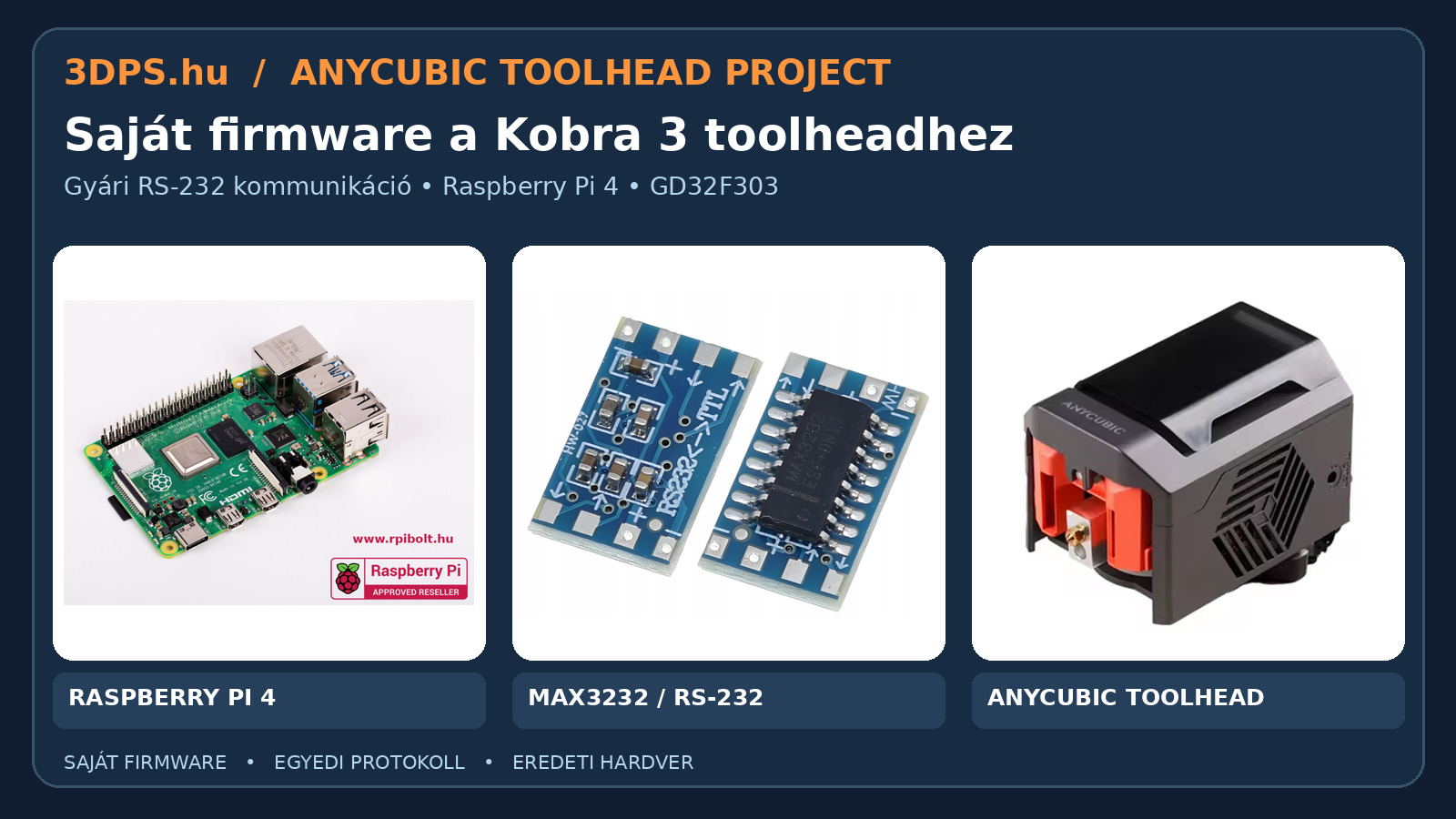
We are developing custom firmware and a communication protocol for the original GD32F303 toolhead. Our first milestone is a safe, bidirectional UART link with a Raspberry Pi 4.
The September 17 US jury verdict concerns four patents. We examine what 3D-printing technologies the claims actually cover and what the verdict may mean for Bambu Lab and the desktop FDM market.
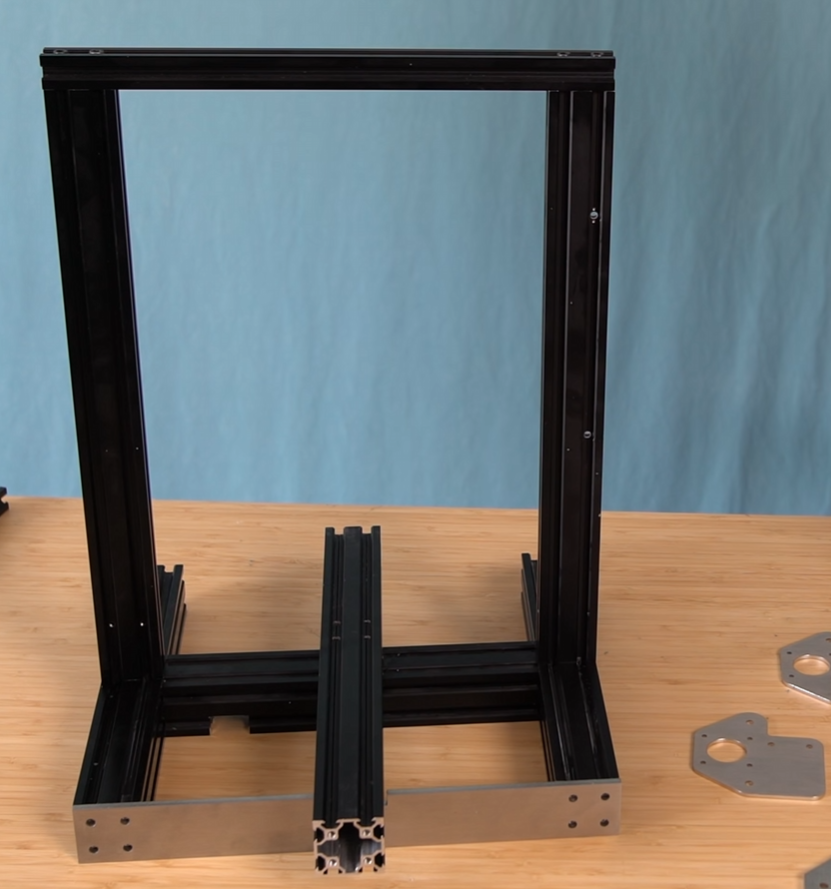
In Part 2 of the project, the Ender 3 keeps the same external dimensions and build volume. Its hollow aluminum frame extrusions are filled with about 4.5 kg (10 lb) of lead and reinforced to improve stability for extreme-speed printing.
Tom’s Hardware updated its 2026 3D printer recommendations on September 8. The guide offers a useful snapshot of how fragmented the desktop market has become across budget, multicolor, resin and professional categories.
Formnext Asia Shenzhen 2026 added a dedicated Maker Day and expanded print-farm programming, connecting the maker community with small-scale production and commercial workflows.
ASTM International has relaunched its former Advanced Manufacturing Division as the Critical and Emerging Technologies (CET) Division. Additive manufacturing remains a flagship area, now joined by AI, robotics, drones and semiconductors.
Suzhou-based Nuosibeirui, owner of the KEXCELLED brand, has closed a new funding round while expanding industrial filaments, photopolymer resins and custom material development.
A joint University of Twente and Radboudumc project is developing a patient-specific implant intended to offer a less invasive treatment for ankle cartilage damage.
Researchers at Washington State University have developed a customizable electronic skin combining 3D scanning, SLA printing, pressure and temperature sensing, and neural-network calibration.
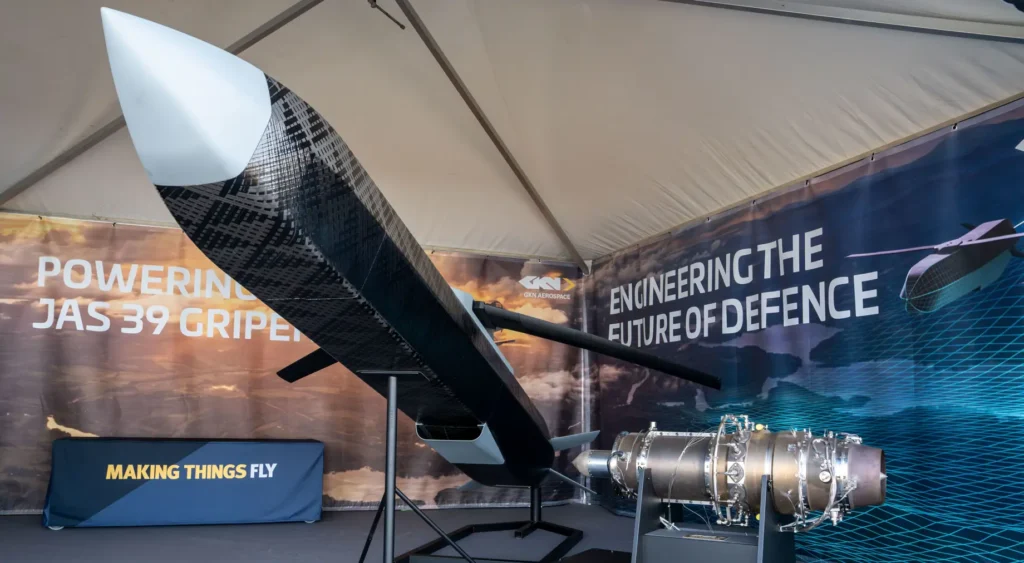
GKN Aerospace has demonstrated a UAV platform using an additively manufactured engine. The project shows how 3D printing in aerospace is moving beyond brackets and ducts toward core propulsion hardware.